

Among this year’s cause marketing examples on out-of-home media, one stands out: in October 2026 Clear Channel Outdoor, one of the largest US media owners, put a 15-year-old student’s artwork on nearly 2,000 digital billboards across the country, donating the space to a youth campaign rather than selling it.
This article summarises what the campaign did, why it works, and how Thai brands can borrow the thinking for purpose-led campaigns on out-of-home media, from the media-planning side at MotionReach.
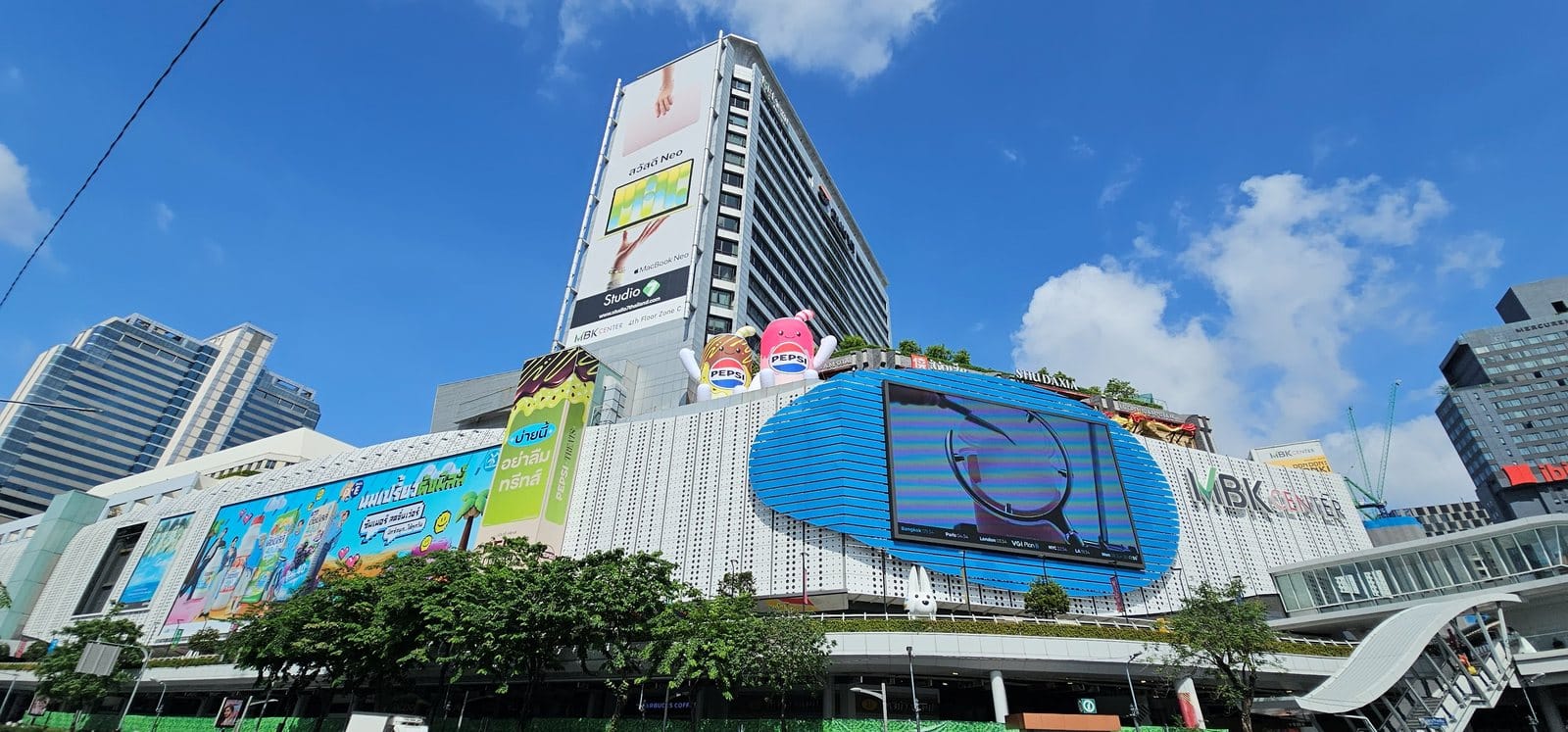
According to PPC Land (8 Oct 2026) and Digital Signage Today (13 Oct 2026), Clear Channel Outdoor donated digital billboard space to the 27th Lights On Afterschool, the annual campaign of the Afterschool Alliance, which champions afterschool programmes for US children.
The sources do not disclose the value of the donated space, impression counts or the list of 25 markets. Dan Levi, executive vice president and chief marketing officer of Clear Channel Outdoor, said this year the campaign is “putting the spotlight on the youth themselves”. The artist described herself as “an artist at heart” and said the project taught her to plan ahead.
It is not a one-off. Clear Channel has donated digital billboards to Lights On Afterschool for years, from more than 1,000 screens in 2020 to around 2,000 in 25 markets more recently. In Bangkok, a brand can book a digital billboard for the same kind of purpose-led message.
Regular advertising talks about a product. Cause marketing talks about people or an issue a company cares about, such as education, the environment or a community, usually together with a non-profit. It sits within corporate social responsibility (CSR) and takes several forms.
Digital out-of-home suits this kind of work because creative changes quickly, runs on many screens at once and is seen in public space without anyone having to click. For the basics, see what is dooh.
At first glance this is a media owner’s CSR project. From a campaign-planning view, there are three ideas any brand can use.
The risk is that heavy logos or sales messages make people feel a social issue is being used to sell. Here Clear Channel let the child’s work lead and stayed in the role of supporter, the same principle behind experiential marketing: let people take part, not just watch.
The ideas below are planning examples, not campaigns that have already run.

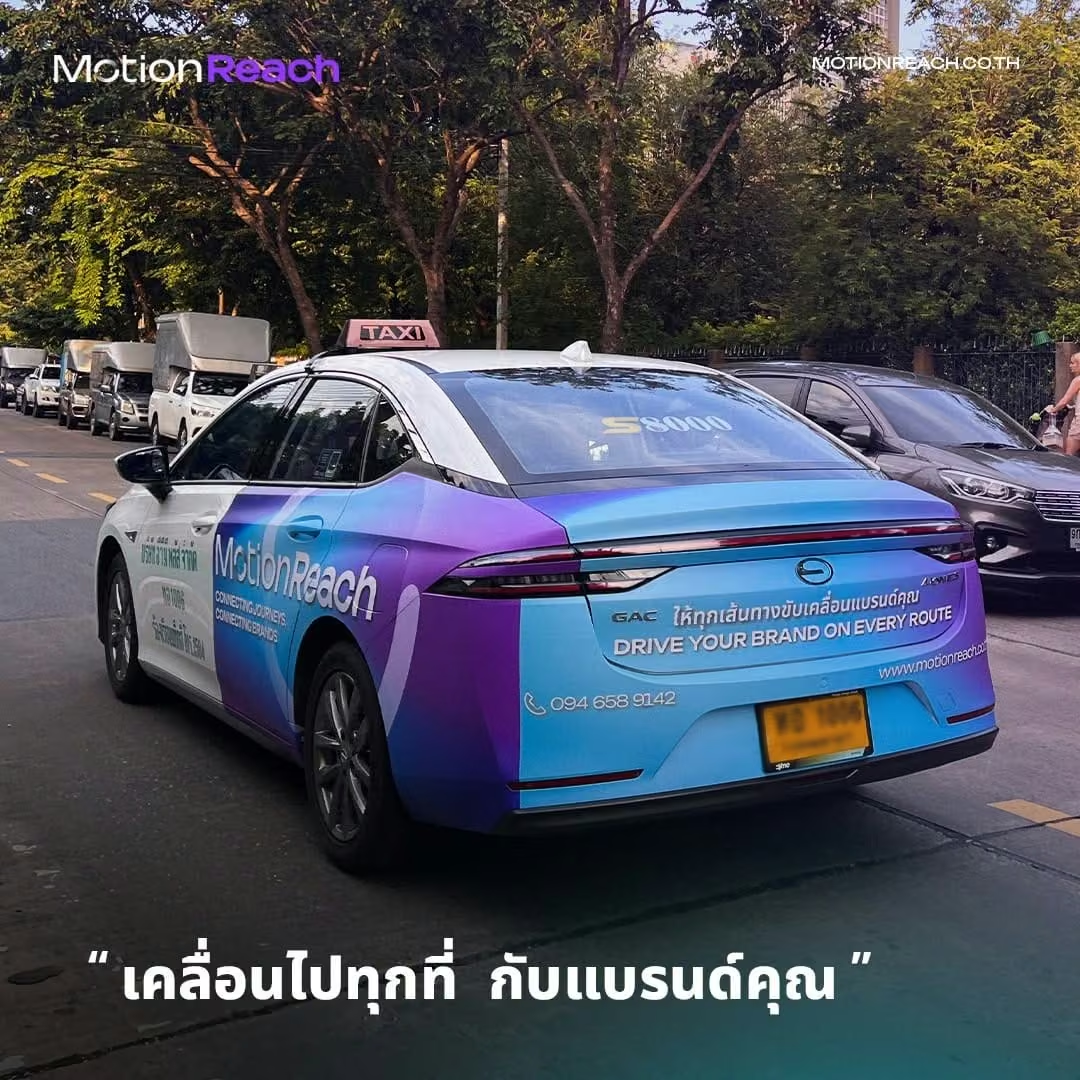
Campaigns like this need media and activity planned together. An example of moving from screens to a real event is Pocky’s Connect with a Smile, which used digital screens on vehicles across the city to invite people to a brand activation event bangkok attended by more than 1,000 people. See the available formats on our out of home advertising and dooh bangkok pages.
Marketing that communicates a social issue or supports a cause, usually with a non-profit partner, instead of promoting a product directly. It is one form of corporate social responsibility (CSR).
An annual Afterschool Alliance campaign in the US that calls attention to afterschool programmes for children. The 2026 edition was the 27th, with about 8,000 events around 22 October.
Yes. A brand can buy media for a purpose-led campaign just like any other campaign, or partner with a media owner and a non-profit.
Get written parental consent for using the work and showing the child’s name, define clearly where and how long it will run, and consult your legal team if unsure.
Want your brand’s purpose-led campaign to reach people across Bangkok on the routes they really travel? Get the MotionReach media kit and let the team shape the idea and the media plan.
Sources: Clear Channel puts a 15-year-old’s art on nearly 2,000 digital billboards — PPC Land (8 Oct 2026) · National digital billboard campaign celebrates student art — Digital Signage Today (13 Oct 2026) · Pocky figures from the MotionReach case study page